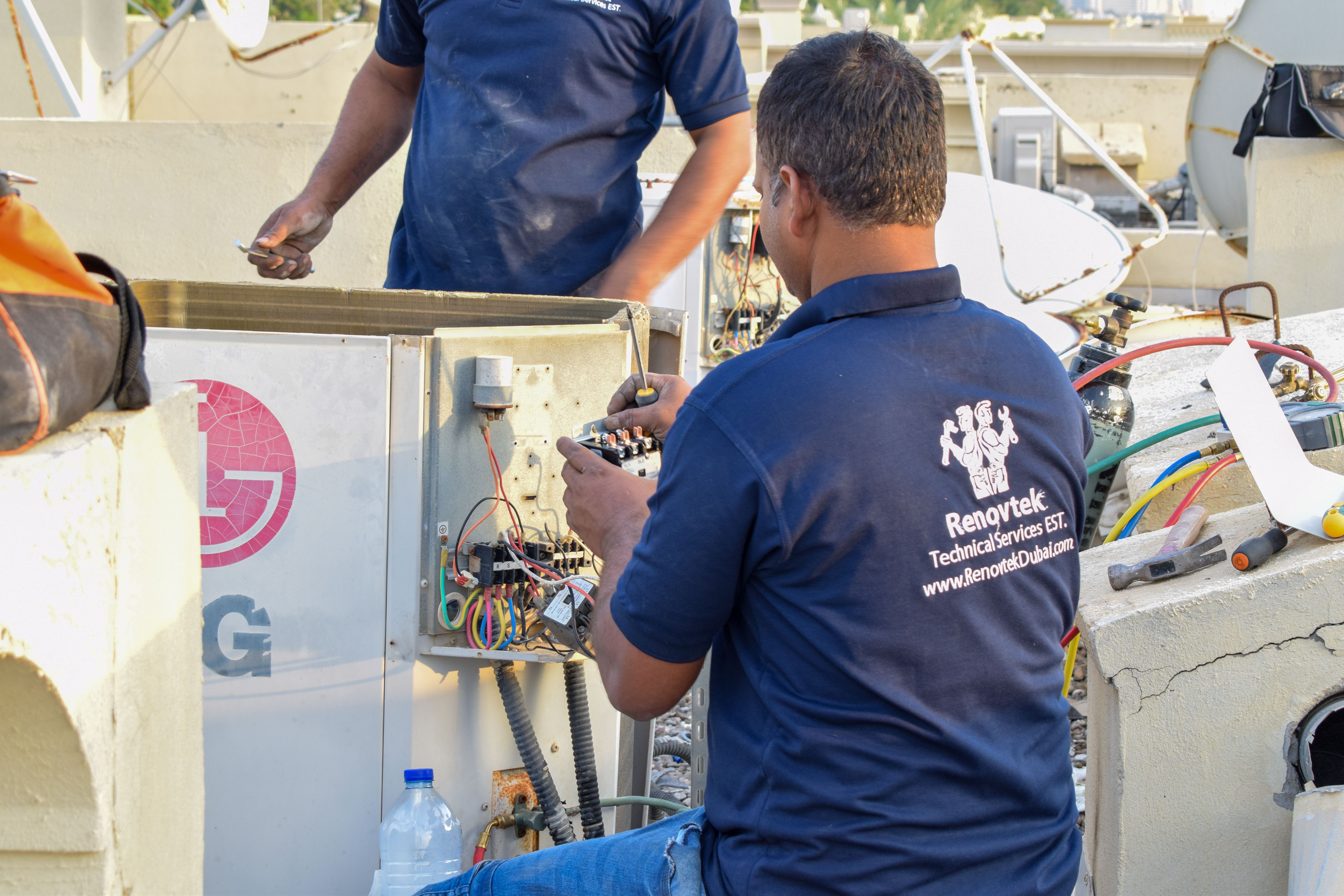
Managing a large property — whether it’s a residential complex, commercial building, or mixed-use development — requires strategic and organized maintenance planning. Without a proper schedule, minor issues can quickly escalate into expensive repairs, tenant complaints, or operational disruptions.
Creating a maintenance schedule for large properties helps ensure everything runs smoothly, assets stay in good condition, and maintenance budgets are used efficiently.
Here’s a step-by-step guide to help you build a reliable and effective maintenance plan.
1 - Conduct a Complete Property Assessment
Start by evaluating every aspect of your property — from electrical systems and plumbing to HVAC units, elevators, and exterior structures. Document the condition, age, and service history of all key assets.
This initial inspection helps you identify which systems require frequent attention and which can be scheduled for periodic maintenance. It forms the foundation of your long-term maintenance plan.
2 - Categorize Maintenance Tasks
Divide all maintenance activities into categories for better organization and tracking:
Preventive maintenance: Regular tasks to avoid equipment failures (e.g., AC cleaning, filter changes, plumbing checks).
Corrective maintenance: Repairs performed after a breakdown or malfunction.
Seasonal maintenance: Tasks scheduled based on Dubai’s weather patterns, such as AC servicing before summer or exterior repainting after sandstorms.
Categorizing tasks helps prioritize work, allocate resources efficiently, and reduce unplanned downtime.
3 - Develop a Maintenance Calendar
Once you know what needs attention, assign specific timeframes for each task. For example:
Weekly: Cleaning and minor repairs.
Monthly: HVAC filter checks, lighting inspections.
Quarterly: Plumbing and electrical system inspections.
Annually: Deep cleaning, repainting, equipment overhauls.
Use digital maintenance management software or simple spreadsheets to keep track of schedules, responsible personnel, and completed tasks. This improves consistency and accountability.
4 - Assign Responsibilities and Vendors
Large properties often require collaboration between in-house teams and outsourced maintenance contractors. Clearly define who handles what:
Internal staff can manage daily tasks like cleaning and small repairs.
Specialized contractors handle technical systems such as HVAC, electricals, and plumbing.
Working with a reliable maintenance company in Dubai ensures timely service, professional workmanship, and access to skilled technicians when needed.
5 - Track, Review, and Improve
A good maintenance plan evolves over time. Review your schedule regularly to identify what’s working and where improvements can be made. Keep records of maintenance reports, costs, and response times.
By analyzing data, you can optimize your schedule, reduce expenses, and make informed decisions about future repairs or renovations.
💡 Final Thoughts
Creating a maintenance schedule for large properties is essential for preventing costly repairs, reducing downtime, and maintaining property value. A well-organized schedule ensures that every system — from air conditioning to lighting — runs smoothly throughout the year.
At Renotech Technical Services LLC, we specialize in comprehensive building maintenance and renovation services in Dubai, helping property owners and management firms create efficient maintenance programs tailored to their needs.
📞 Contact us today to learn how our team can help manage your building’s maintenance with professionalism and precision.